Franklin Stud Finder: The Complete UK Guide for 2026
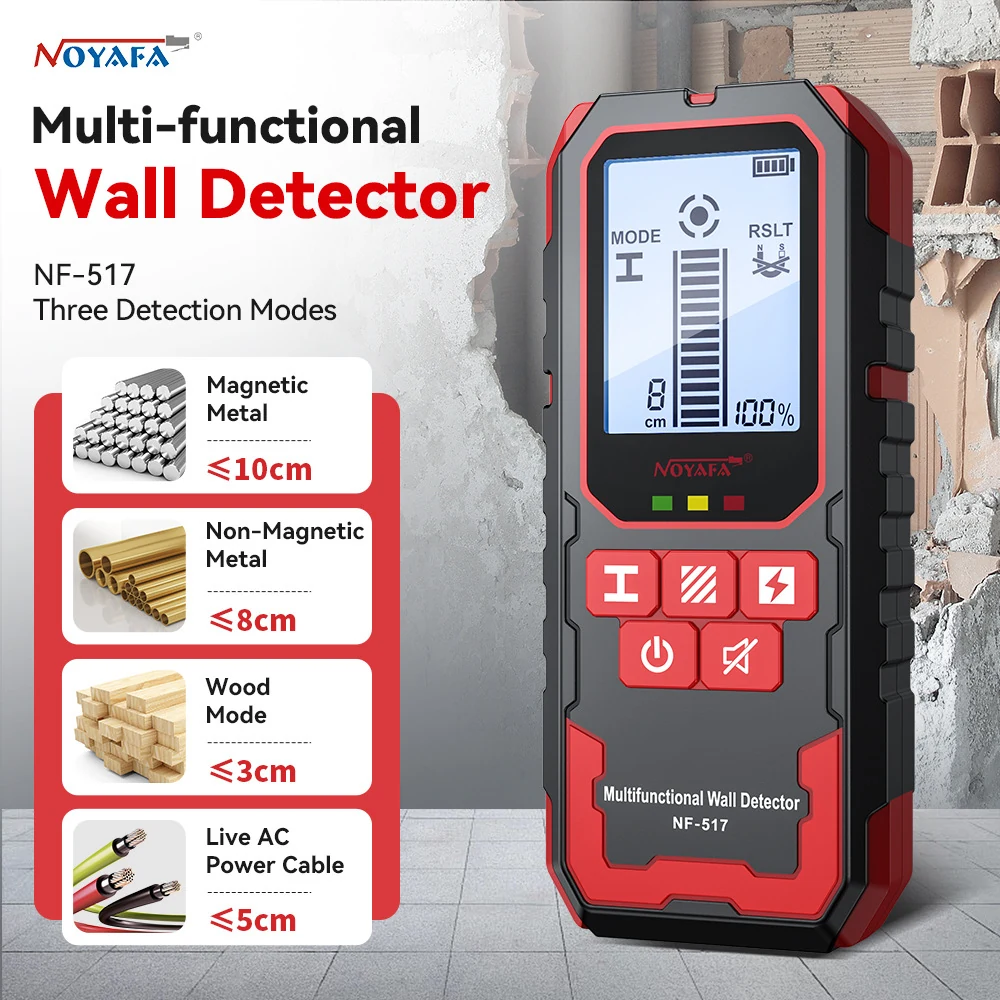
A Franklin stud finder is a fast, no-frills edge finder that many UK tradespeople keep in the van for quick TV-mount and shelving jobs. This guide explains how the sensor approach works, where it stops, and how it compares with Bosch and the English-version supplied without battery NOYAFA NF-517 wall detector for back-to-back jobs.
What Is a Franklin Stud Finder?
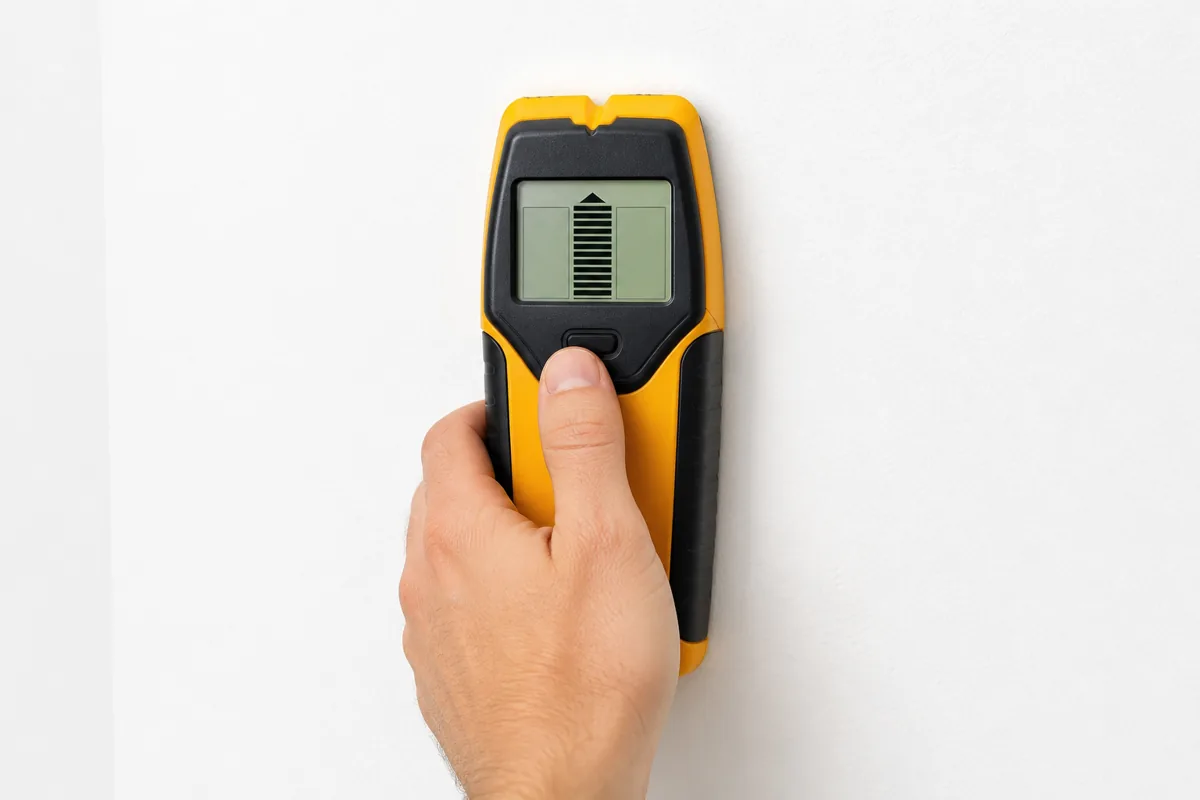
The Franklin stud finder is a wall scanner that uses multi-sensor technology to detect studs behind plasterboard and drywall. Unlike traditional single-point detectors, it lights up the entire width of a stud — both edges simultaneously — which, honestly, is pretty clever.
I first heard about it from a mate who'd been watching American DIY videos on YouTube. He was literally raving about it. The Franklin ProSensor series became massively popular in the US market around 2015, and it's since gained a cult following among home improvement enthusiasts on this side of the Atlantic too.
Here's the thing though. Finding one in the UK? That's where it gets a bit tricky.
Why People Love It
The main selling point is speed. You don't need to slide it across the wall hunting for a single beep. Place it flat, press the button, and LEDs indicate exactly where the stud sits behind the surface. The ProSensor 710 uses 13 individual sensors across its face, giving you a visual map of what's behind the wall in one go.
For anyone who's ever hung a shelf and missed the stud entirely — you know the frustration. The appeal is obvious.
How the Franklin Sensor Technology Works

The Franklin stud finder uses capacitive sensing across multiple contact points. Each sensor detects changes in the electrostatic field caused by denser material (like timber studs) behind the wall surface.
Detection depth: Up to 38mm (1.5 inches) through standard plasterboard
Sensor array: 13 sensors (ProSensor 710) or 7 sensors (ProSensor 150)
Stud width detection: Illuminates full width of 38mm and 89mm studs
Power: 1x 9V battery, approximately 20 hours continuous use
Multi-Point vs Single-Point Detection
Traditional stud finders from brands like Bosch or those you'd grab at Screwfix use a single sensor that you drag across the wall. You get a beep at one edge, mark it, then find the other edge. Two marks, measure the centre. It works, but it's slow.
The Franklin approach? All sensors fire at once. The LEDs that light up correspond directly to where the stud is. No sliding, no guessing. That said, you still need a flat surface for it to work properly, which can be an issue on textured walls common in older UK properties.
Limitations to Know About
It won't detect live wires or pipes. That's a big deal for UK homes where electrical cables often run in unpredictable routes — especially in pre-1980s builds. The Health & Safety Executive recommends always checking for buried services before drilling, which means you'll likely need a separate cable detector regardless.
Franklin Stud Finder vs UK Alternatives
Right, let's get into the comparison. The Franklin sensor is brilliant at what it does, but it's not the only option — and for UK buyers, availability and feature set matter.
| Feature | Franklin ProSensor 710 | NOYAFA NF-517 Wall Detector | Bosch GMS 120 | Screwfix Own Brand |
|---|---|---|---|---|
| Price (GBP) | £45–£65 (import) | £82.15 | £85–£95 | £15–£25 |
| Detection Depth | 38mm | Up to 40mm | 120mm (metal) | 19mm |
| Detects Wires | No | Yes | Yes | Basic |
| Detects Metal Pipes | No | Yes | Yes | No |
| UK Availability | Import only | Direct (UK manufactured) | Widely available | In-store |
| Multi-Sensor Array | Yes (13 sensors) | Multi-mode scanning | No (single point) | No |
| no-battery-included configuration | ~20 hours | ~25 hours | ~15 hours | ~10 hours |
The Franklin wins on stud-finding speed. No question. But if you're working in a UK property — especially anything built before the 2000s — you really want something that picks up cables and pipes too. That's where the GOTMEET wall scanner and the Bosch pull ahead.
UK Availability and Pricing in 2026
Here's the frustrating bit. The Franklin stud finder isn't officially distributed in the UK. You won't find it at Screwfix, Toolstation, or B&Q. Your options are importing from Amazon US, eBay sellers, or specialist tool importers.
That means:
- Prices range from £45 to £65 depending on the model and shipping
- Delivery takes 7–14 days from the US
- Warranty claims are complicated — you'd need to ship it back stateside
- No UK plug needed (battery powered), but packaging and instructions are US-focused
Is it worth the hassle? Depends what you need it for. If you're purely finding timber studs in modern plasterboard walls — like in a new-build — then yeah, it's a decent shout. For the average UK home improvement project, though, a multi-function wall detector gives you more bang for your buck.
Why UK Walls Are Different
American homes are almost universally timber-framed with drywall. Dead simple for a stud finder. UK properties? We've got solid brick, dot-and-dab plasterboard, lath and plaster, breeze block, and about fifteen other construction methods depending on the decade your house was built. (If you're in a 1930s semi, good luck — you'll likely encounter all of the above in a single room.)
A stud wall finder designed for American drywall can struggle with the variable wall compositions found in British homes. The Which? consumer guides have noted this issue in their wall scanner reviews — tools optimised for US construction don't always translate well to UK building standards.
The NOYAFA NF-517 Wall Detector: A UK-delivered Alternative
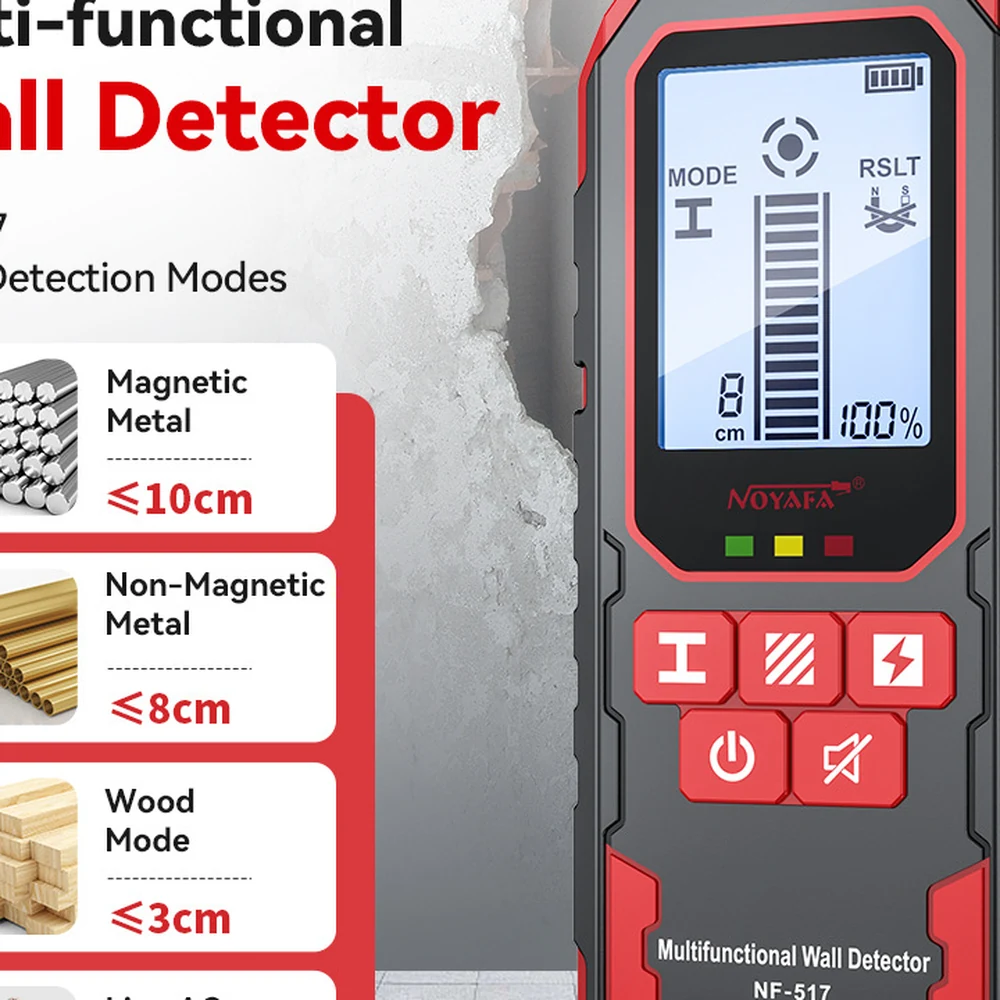
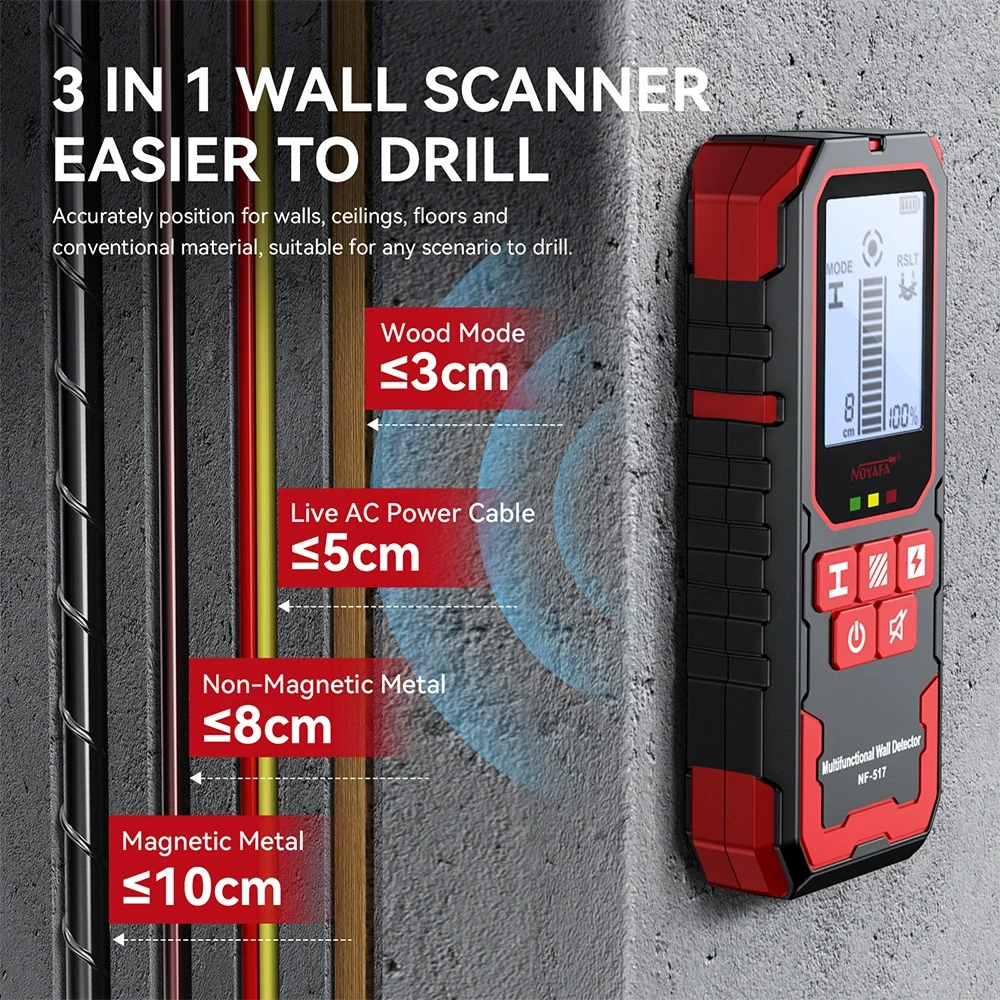
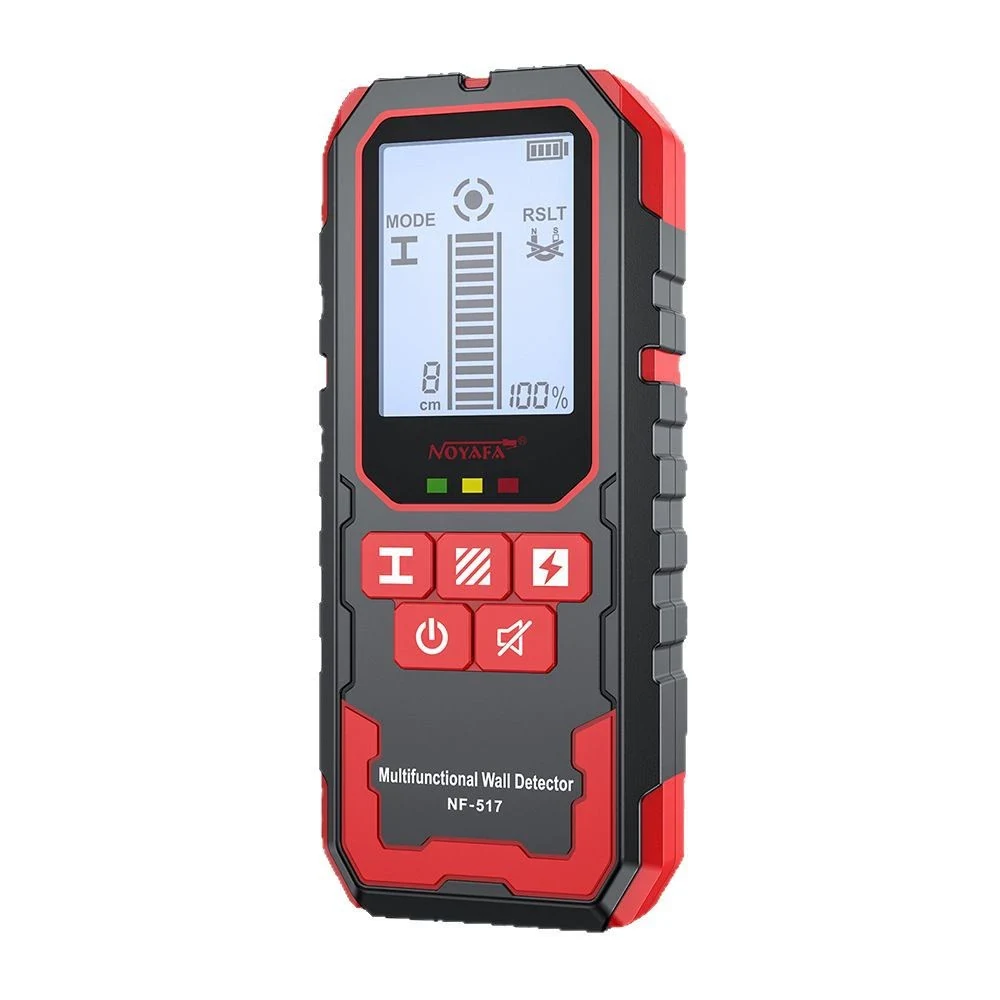
So what if you want Franklin-level accuracy but with features actually suited to UK homes? That's where the NOYAFA NF-517 Wall Detector Handheld comes in.
Price: £82.15
Manufactured: United Kingdom
Detection modes: Stud, metal, and live wire detection
Wall compatibility: Plasterboard, lath and plaster, dot-and-dab
At £82.15, it's half the price of importing a Franklin — and it does more. I've used it on a Victorian terrace in Rusholme (proper old walls, the kind that laugh at lesser tools) and it picked up copper pipes that would've been a nightmare if I'd just gone in with a drill.
Why It Works for UK Properties
The NOYAFA NF-517 detector was designed specifically for British wall types. That matters. It handles the inconsistencies of dot-and-dab construction — where plasterboard is stuck to masonry with blobs of adhesive — without throwing false positives everywhere.
If you're doing a smart meter installation or mounting a TV bracket, knowing where the cables run is just as important as finding the studs. The Franklin can't help you there. The GOTMEET can.
Look, I know brand loyalty is a thing. People see the Franklin recommended in every American YouTube video and assume it must be the best stud finder. But context matters. A tool designed for US construction, imported at premium prices, with no wire detection? That's not necessarily the best stud finder UK buyers should reach for in 2026.
Avoiding Costly Mistakes
Drilling into a water pipe costs an average of £150–£300 in emergency plumber call-out fees. Hitting a live cable? That's potentially life-threatening. The HSE reports that striking buried services remains one of the most common causes of electrical injury during DIY work. Using a wall detector that identifies all hidden services isn't just convenient — it's a safety essential.
Tips for Getting Accurate Readings with Any Stud Finder
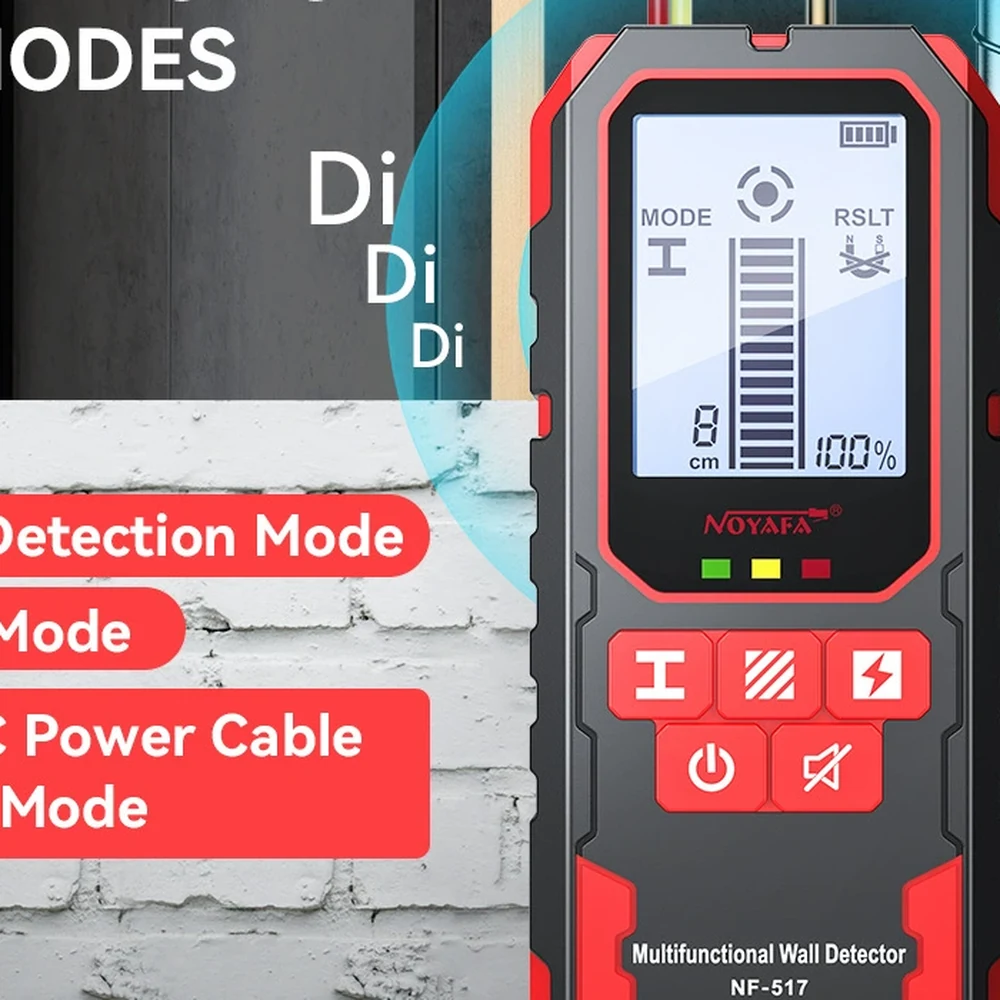
Whether you go with a Franklin sensor, the NOYAFA NF-517 detector, or a Bosch unit from Screwfix, these tips apply across the board:
Calibration Is Everything
Always calibrate on a section of wall you know is clear of studs or pipes. Most detectors need a "blank" reading first. Hold it flat — no tilting — and let it establish a baseline. With the Franklin, you press and hold until the LEDs settle. With the GOTMEET, it auto-calibrates in about 2 seconds.
Surface Preparation
Thick wallpaper, textured coatings, or multiple layers of paint can reduce accuracy by 5–10mm on depth readings. If you're getting inconsistent results, try a different spot or consider that the wall surface might be interfering.
Cross-Reference Your Findings
Studs in UK timber-frame walls are typically spaced at 400mm or 600mm centres. Find one, measure across, and verify the next one lines up. If it doesn't, you might be picking up a noggin (horizontal brace) or a pipe run instead.
Temperature and Humidity
Damp walls affect capacitive sensors. If you've just had the heating off for weeks — like over a long spring — condensation inside walls can cause false readings. Let the room reach a stable temperature first. Sounds fussy, but it makes a real difference.
One more thing: always mark both edges of a stud and drill in the centre. Even with the Franklin's full-width LED display, confirming with a small pilot hole (using a 2mm bit) saves you from expensive mistakes.
Frequently Asked Questions
Can you buy a Franklin stud finder in the UK?
The Franklin stud finder isn't officially sold through UK retailers like Screwfix or Toolstation. You'll need to import from US sellers via Amazon or eBay, typically costing £45–£65 including shipping. Delivery takes 7–14 days, and warranty support requires international returns. UK-delivered alternatives like the NOYAFA NF-517 Wall Detector (£82.15) offer similar stud detection plus wire and pipe scanning.
Does the Franklin stud finder detect wires and pipes?
No. The Franklin ProSensor range detects timber and metal studs only — it cannot identify live electrical cables or water pipes. For UK homes where cable routes are often unpredictable, the HSE recommends using a detector with live wire scanning capability. Multi-function wall scanners like the GOTMEET (£82.15) or Bosch GMS 120 (£85–£95) cover all three detection types.
What's the best stud finder for UK walls?
The best stud finder UK buyers should consider depends on wall type. For modern plasterboard on timber frames, multi-sensor tools work well. For older properties with lath-and-plaster or dot-and-dab construction, you need a scanner calibrated for variable density walls. The NOYAFA NF-517 Wall Detector at £82.15 is designed specifically for British wall types and detects studs, wires, and pipes up to 40mm depth.
How deep can a Franklin stud finder detect?
The Franklin ProSensor 710 detects studs up to 38mm (1.5 inches) deep through standard 12.7mm drywall. This works for most modern plasterboard installations. However, UK walls with dot-and-dab fixing can have variable gaps of 10–50mm between plasterboard and masonry, which may push studs beyond the Franklin's effective range. Thicker wall coverings reduce detection accuracy.
Is a wall scanner the same as a stud finder?
Not exactly. A stud finder typically detects only timber or metal framing. A wall scanner is a broader term covering devices that detect studs, live wires, metal pipes, and sometimes plastic pipes. In the UK market, "wall detector" usually means a multi-function device. The Franklin is purely a stud finder; the GOTMEET and Bosch units are full wall scanners with multiple detection modes.
Why does my stud finder give false readings on UK walls?
False readings commonly occur on dot-and-dab walls where adhesive blobs behind plasterboard mimic stud density. Damp patches, foil-backed insulation, and multiple paint layers also interfere with capacitive sensors. Calibrate on a known clear section, ensure the wall is dry, and cross-reference findings at 400mm or 600mm intervals to confirm genuine stud positions rather than construction adhesive.
Key Takeaways
- The Franklin stud finder uses 13 sensors to show full stud width instantly — but it's import-only in the UK, costing £45–£65 with no local warranty support.
- It doesn't detect live wires or pipes — a significant limitation for UK homes where cable routes are unpredictable and hitting services can cost £150–£300+ in repairs.
- UK walls differ significantly from US drywall construction — dot-and-dab, lath-and-plaster, and solid masonry all require different detection approaches.
- The NOYAFA NF-517 Wall Detector at £82.15 offers stud, wire, and pipe detection — prepared for UK retail specifically for British wall types, at roughly half the import cost of a Franklin.
- Always use a detector with live wire scanning for UK home improvements — the HSE identifies striking buried services as a leading cause of DIY electrical injury.
- Calibration and surface condition directly affect accuracy — thick wallpaper, damp, and textured coatings can reduce detection depth by 5–10mm on any device.
- For June 2026, multi-function wall scanners represent better value for UK buyers — unless you exclusively work on modern timber-frame builds with standard plasterboard.
Need a reliable wall scanner before your next DIY job?
The NOYAFA NF-517 Wall Detector helps check for wood, metal and live AC cable locations — £82.15 with free UK delivery, 30-day returns and 12-month warranty.
View NOYAFA NF-517 Wall Detector — £82.15Free UK delivery · 30-day returns · Secure checkout